
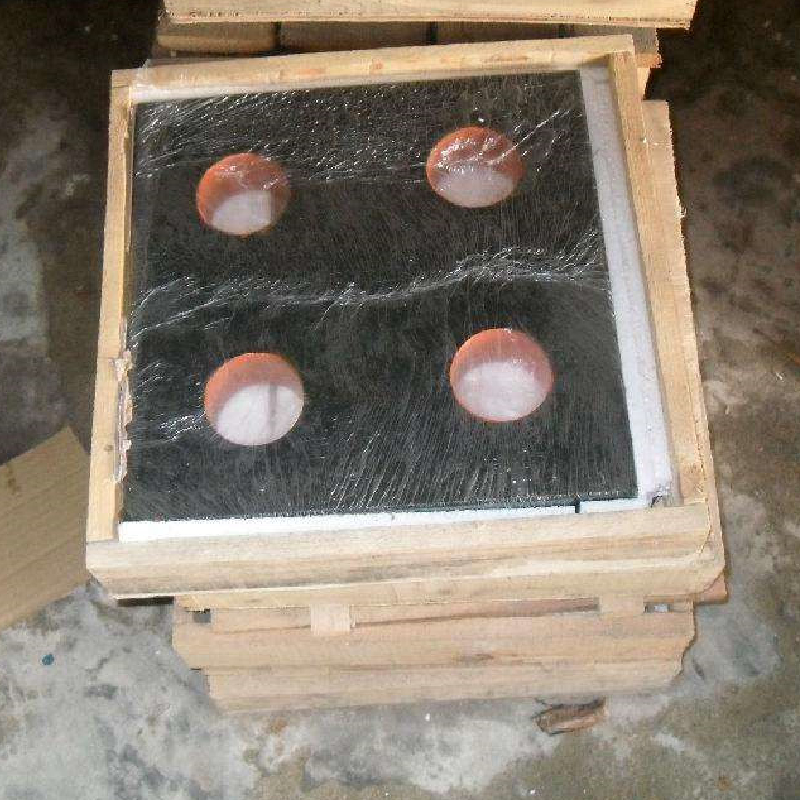
green reflective glass window
Understanding Level Types in Education In the realm of education, level types refer to the various stages or classifications through which students progress during their academic journey. These levels are designed to accommodate diverse learning styles, aptitudes, and ages. Understanding level types is crucial for educators as they tailor their teaching strategies and assessment methods to meet the needs of different learners. In this article, we will explore the significance of level types, the various categories, and their impact on student development. The Importance of Level Types Level types play a vital role in the educational system, as they provide a structured framework for curriculum design, instruction, and assessment. They help teachers to identify the appropriate content and skills that should be taught at each stage of a child's learning process. By recognizing the different cognitive, social, and emotional development stages, educators can create a supportive environment that nurtures each student’s unique abilities. Moreover, level types facilitate differentiated instruction, enabling teachers to adapt their teaching methods and materials according to the diverse needs of their students. This approach promotes inclusivity in the classroom, allowing all students, regardless of their learning pace, to thrive academically. Categories of Level Types Level types can be classified into various categories, such as 1. Grade Levels This is the most common way to categorize students. Schools typically have grade levels from kindergarten through 12th grade, each corresponding to an age group and a set of expected competencies. These levels are often linked to standardized testing and curriculum requirements. level types 2. Skill Levels Within each grade, students can have varying skill levels. For example, in a 5th-grade classroom, some students may be reading at a 3rd-grade level, while others might be at a 7th-grade level. Skill levels address the differences in students' academic abilities and provide a pathway for personalized learning. 3. Developmental Levels This categorization considers the social and emotional growth of students. Developmental levels encompass the cognitive, emotional, and physical development that occurs as children grow. Teachers often consider these aspects when planning lessons to ensure that they are age-appropriate and engaging. 4. Curricular Levels Curricular levels refer to the complexity of content being taught. Courses can be categorized as introductory, intermediate, or advanced, depending on the depth of material and skills required. This structure helps to prepare students for more challenging subjects as they progress through their education. 5. Learner Types This concept extends beyond traditional academic levels, encompassing different learning styles such as auditory, visual, and kinesthetic learners. Recognizing these variations allows educators to employ a mix of teaching methods to reach all students effectively. The Impact of Level Types on Student Development Understanding and implementing level types can profoundly impact student development. When educators recognize the specific needs of students based on their level types, they foster an environment conducive to individual growth. This tailored approach not only enhances academic performance but also builds confidence and motivation among learners. Furthermore, assessing students based on their level types allows for better identification of strengths and weaknesses. Educators can provide targeted support to struggling students while also challenging those who are excelling, ensuring that every learner is engaged and progressing. In conclusion, level types are an essential component of the educational landscape. They not only categorize students based on their academic progress but also consider their social and emotional development. By embracing the various level types, educators can create a more inclusive and effective learning environment, ultimately paving the way for student success both inside and outside the classroom.
about
green reflective glass window
The Importance of Level Manufacturers in Various Industries In a world increasingly driven by technology and automation, the role of level manufacturers has become paramount across various industries. Level manufacturers, commonly known as manufacturers of equipment that measure levels, such as liquid level sensors and pressure gauges, provide essential solutions that facilitate efficient operations. This article will explore the significance of level manufacturers, their applications, and how they contribute to quality assurance and safety in diverse sectors. Level manufacturers produce a wide array of measuring instruments designed to monitor the levels of liquids, solids, and gases. These products range from simple float switches to sophisticated ultrasonic level sensors. They are critical in industries such as water treatment, food and beverage, pharmaceuticals, and oil and gas. In water treatment plants, for instance, accurate level measurement helps maintain the correct balance of chemicals, ensuring the purification process is effective. Similarly, in the food and beverage industry, level manufacturers ensure that ingredients are dosed accurately, which is crucial for maintaining quality and consistency. One of the key benefits of utilizing products from level manufacturers is the enhancement of operational efficiency. Automated level measurements reduce the need for manual monitoring, which can be labor-intensive and prone to human error. By implementing advanced level measuring devices, industries can minimize downtime, optimize resource utilization, and boost productivity . Moreover, these devices often come equipped with data logging capabilities, enabling better tracking of process parameters over time. This data can be invaluable for making informed decisions about maintenance and production adjustments. level manufacturer Safety is another critical aspect where level manufacturers play a vital role. In industries dealing with hazardous materials, accurate level monitoring becomes a necessity to prevent overflows, spills, and other dangerous incidents. For example, in the oil and gas sector, improper level measurements can lead to catastrophic failures, environmental disasters, and significant financial losses. Level manufacturers design their equipment with stringent safety standards in mind, providing organizations with reliable solutions that help mitigate risks associated with level measurements. Sustainability is also increasingly becoming a focus within the manufacturing sector, and level manufacturers are no exception. Many companies are now developing eco-friendly devices that minimize energy consumption and are made from sustainable materials. As organizations worldwide strive to reduce their carbon footprint, level manufacturers are stepping up to the challenge by creating innovative products that align with environmental goals. Furthermore, with the rise of Industry 4.0, level manufacturers are integrating smart technologies into their devices. Smart level sensors that communicate with other systems in real-time allow for predictive maintenance and enhanced control over operations. This forward-thinking approach not only increases efficiency but also helps organizations remain competitive by adapting to new industry norms. In conclusion, the role of level manufacturers extends far beyond simple measurement; they are integral partners in ensuring operational excellence, safety, and sustainability. By providing accurate, reliable, and innovative level measurement solutions, these manufacturers contribute significantly to the success of various industries, allowing them to meet the demands of modern production and compliance standards. As technology continues to evolve, the importance of level manufacturers will only grow, solidifying their place as key players in the manufacturing ecosystem.
-

High quality industrial productsagement

High quality industrial products
View Details -

Meet the diverse needs of customers

Meet the diverse needs of customers
View Details -

Strict quality control

Strict quality control
View Details -

Top raw materials

Top raw materials
View Details -

Trusted supplier

Trusted supplier
View Details
Our application




news and information

valve factory
Located at the very heart of industrial innovation, valve factories have become pivotal in shaping t

Wholesale Options for High-Quality Ball Valves at Competitive Prices
The Benefits of Wholesale Ball Valves for Industrial Applications Ball valves are crucial components
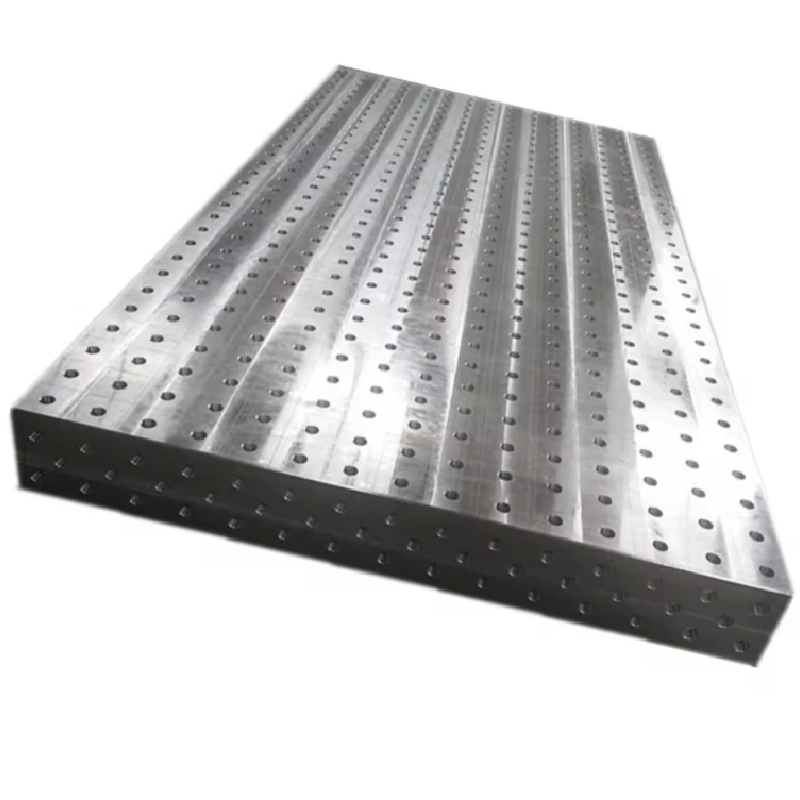
Wood Frame Truss Nail Plate Solutions _ Durable & Reliable Truss Connectors
Wood Frame Truss Nail Plate An Essential Component in Construction Wood frame trusses are a vital co
 English